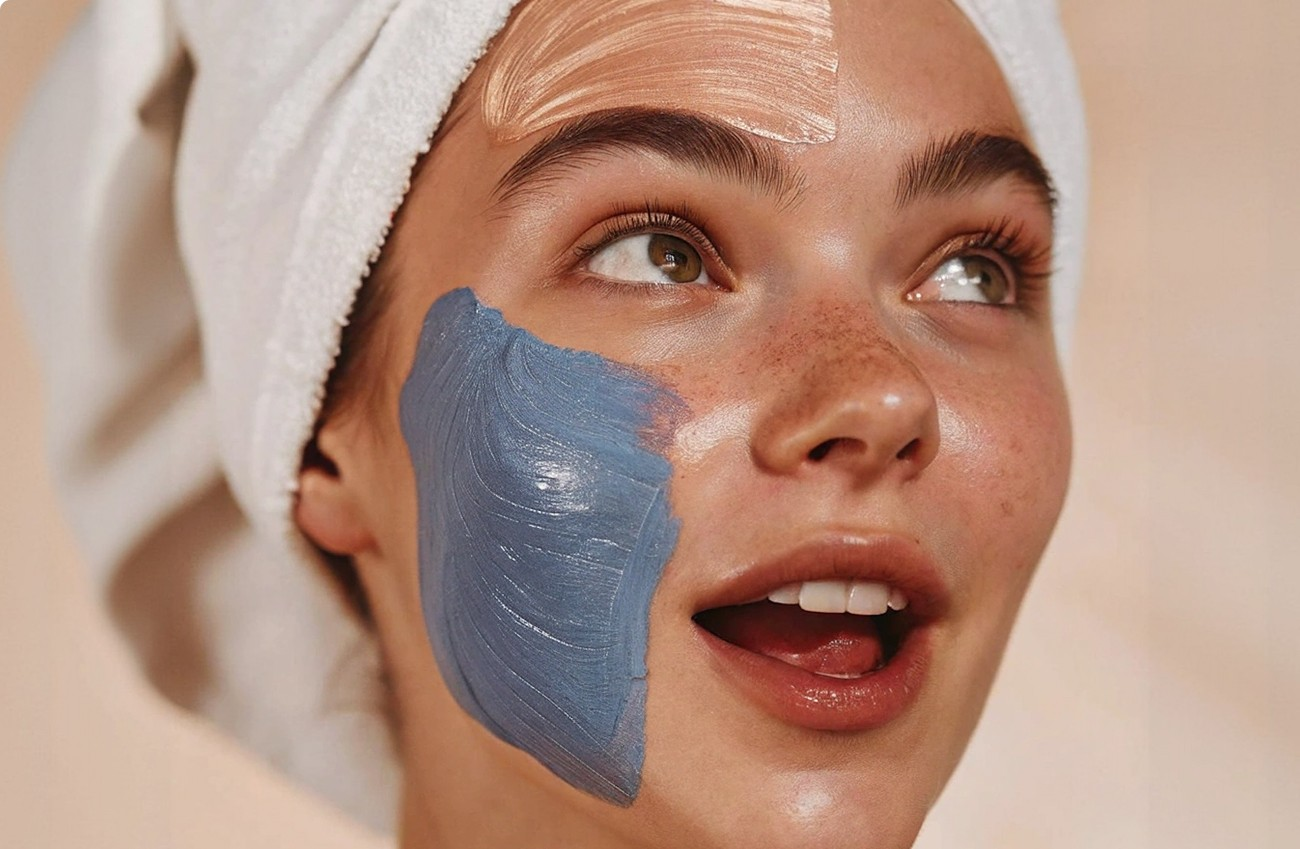
A dermatologist’s guide to repairing a damaged skin barrier on Indian skin
Why over-exfoliation and layered actives can trigger rebound pigmentation in melanin-rich skin, and how a simple barrier reset helps.

The hidden cost of over-exfoliation
Many first-time consultations begin with a familiar pattern: glycolic acid toners, high-strength vitamin C, niacinamide and retinoids layered together, followed by persistent redness, unexpected breakouts and darkening around the mouth and forehead.
In Indian skin phototypes (Fitzpatrick III to V), melanocytes react readily to irritation. When harsh actives or physical scrubs strip the stratum corneum’s lipids, low-grade inflammation can signal melanocytes to produce excess pigment, showing up as post-inflammatory hyperpigmentation (PIH) or a melasma flare.
1. Four signs your skin barrier is compromised
Before starting laser toning, a chemical peel or a prescription retinoid, a dermatologist checks the barrier for these common signs:
- Stinging with basic moisturisers: a burning sensation when applying a plain ceramide cream or gentle cleanser.
- Dehydrated shine: skin that looks taut and reflective yet feels tight and uncomfortable after washing.
- Perioral darkening: shadowy pigmentation around the corners of the mouth and nasolabial folds following irritation.
- Micro-papular texture: tiny skin-coloured bumps that resemble acne but are actually irritant contact dermatitis.
2. Match ingredients to how your skin behaves
Rather than following complex multi-step routines, choose physiological formulations suited to your skin’s current state:
- Oily or acne-prone skin: azelaic acid (10–15%), encapsulated salicylic acid and lightweight non-comedogenic gel-creams.
- Dry or sensitised skin: ceramides paired with cholesterol and fatty acids, squalane and panthenol.
- Melasma or pigment-prone skin: tranexamic acid, arbutin and a tinted broad-spectrum SPF 50+ that helps filter visible light.
"We do not perform high-energy laser resurfacing or strong peels on an inflamed skin barrier. Calming the epidermis first makes any procedure that follows safer and more predictable."— Dr. Darshana (Consultant Dermatologist)
3. A four-step daily recovery framework
Consistency matters more than complexity. For most patients, restoring barrier comfort rests on four straightforward habits:
- A gentle, non-stripping syndet cleanser (pH 5.0–5.5) used morning and night.
- One barrier-supporting moisturiser or hydrating serum applied on damp skin.
- A broad-spectrum PA++++ sunscreen applied every morning and reapplied when outdoors.
- A single dermatologist-guided night active introduced slowly once stinging and redness have settled.
If your skin stings, flushes or darkens with your current routine, pause exfoliating acids and book an in-person dermatology assessment before starting procedures.
Book a digital skin barrier assessment
Consult Dr. Darshana for a dermoscopic analysis and bespoke medical skincare blueprint.

More from the Skin Journal

Collagen banking in your 30s: when to introduce retinoids, peptides and Profhilo
How cortisol and urban stress trigger adult hormonal acne and barrier flare-ups