Evaluating hair thinning in Bengaluru: trichoscopy, medical care and PRP or GFC
How dermatologists distinguish androgenetic alopecia from telogen effluvium using trichoscopy, blood tests and evidence-based medical and PRP/GFC plans.
Why identifying the cause of hair shedding comes first
Noticing extra hair on your pillow, shower drain or comb is understandably stressful, and often leads patients to try multiple shampoos, oils or biotin supplements before seeking medical advice. In clinical dermatology, however, effective hair restoration always starts with differentiating the type of hair loss.
Hair shedding and hair thinning are not identical processes, and a treatment designed for one may not address the other on its own.
1. Pattern hair thinning vs. reactive shedding (telogen effluvium)
Two conditions account for the majority of hair consultations in our Bengaluru clinic, and they frequently overlap:
- Telogen effluvium: diffuse daily shedding across the whole scalp triggered 2 to 3 months after an illness, fever, crash diet, childbirth, surgery, iron deficiency or acute stress.
- Androgenetic alopecia (pattern hair loss): gradual miniaturisation of follicles along the crown, temples or central parting, driven by genetic sensitivity to dihydrotestosterone (DHT).
- Inflammatory or patchy conditions: seborrhoeic dermatitis, alopecia areata or traction alopecia, each requiring distinct dermatological care.
2. What happens during a clinical scalp and trichoscopy assessment
During a consultation, Dr. Darshana examines the scalp skin and hair shafts under polarised magnification (trichoscopy) to check for:
- Hair shaft diameter variability (miniaturisation) and the number of hairs emerging per follicular unit.
- Scalp inflammation, perifollicular scaling or active dandruff that can accelerate shedding.
- Targeted blood investigations where indicated—such as serum ferritin, vitamin B12, vitamin D3, thyroid profile or hormonal markers—rather than indiscriminate supplement panels.
"Hair follicles cycle over months, not days. An honest dermatology plan sets clear three-month and six-month checkpoints so you can track real improvement in shedding and density."— Dr. Darshana (Consultant Dermatologist)
3. Combining medical therapy with PRP or GFC
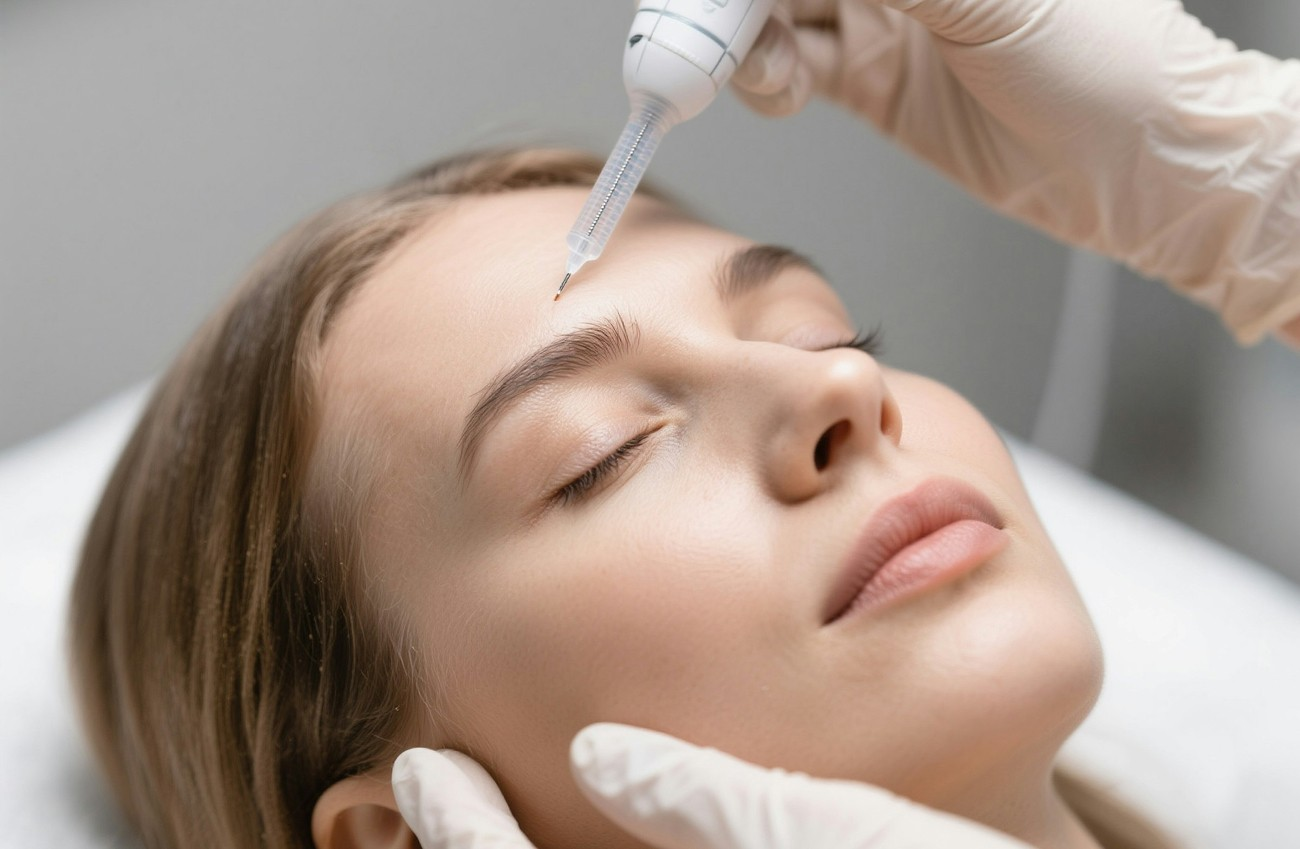
Once the diagnosis is clear, treatment is structured in layers: correcting nutritional or scalp triggers, introducing evidence-based topical or oral medical therapy suited to your health profile, and—where miniaturised follicles need an added growth signal—scheduling a course of in-clinic PRP or GFC sessions.
Book a digital skin barrier assessment
Consult Dr. Darshana for a dermoscopic analysis and bespoke medical skincare blueprint.

More from the Skin Journal

A dermatologist’s guide to repairing a damaged skin barrier on Indian skin

Collagen banking in your 30s: when to introduce retinoids, peptides and Profhilo